The GCC can lead the global push toward high‑integrity carbon credit markets

The GCC can lead the global push toward high‑integrity carbon credit marketsThe GCC can lead the global push toward high‑integrity carbon credit markets

GCC Leadership in Carbon Markets

The global economy is facing a difficult balancing act. Maintaining economic growth and energy security, while reducing carbon emissions in line with net‑zero targets, is a complex and challenging task. To achieve it requires enormous levels of investment, innovative thinking, and coherent national, regional and global strategies that are supported by robust regulations and policies.

Investment and innovative thinking are the driving forces behind diversification strategies that are rewiring the Gulf economies, widening the range of sectors driving economic growth while reducing reliance on carbon‑intensive forms of energy production.

As we approach COP28, the world’s attention is turning to the GCC and assessing the impact that its net‑zero initiatives are having on reducing carbon emissions. The recent investment and cooperation between GCC governments and business have shown its potential to establish a global role in voluntary carbon markets.

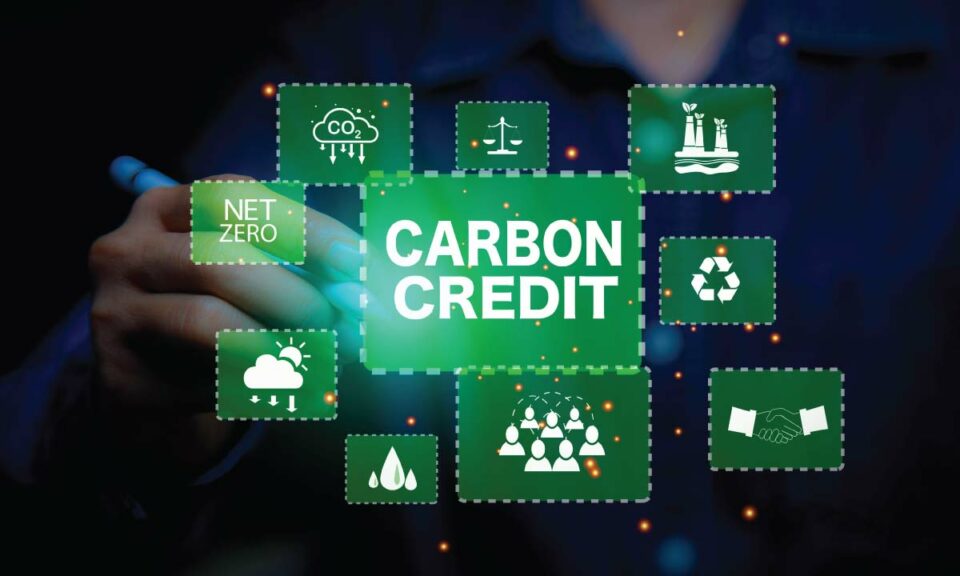
One area of clear progress is the Gulf’s rapid adoption of voluntary carbon markets – financial markets where buyers can compensate for their hardest‑to‑abate carbon emissions by purchasing credits tied to projects that remove, reduce or avoid carbon emissions.

12 October 2023

Recommended

See more related news

Superpollutants: the fastest lever on near-term warming
20 July 2026

Superpollutants: the fastest lever on near-term warming

Superpollutants — methane, HFCs, nitrous oxide and other non-CO2 climate pollutants — are responsible for roughly half of the warming experienced today, and abating them is now seen as the fastest available lever on temperature this decade. With Google making its first move into the market and superpollutant categories the first through the ICVCM gate, CCP-labelled credits rated among the market’s highest quality are now available at a fraction of removal prices.

Carbonaires Monthly Newsletter — Issue #75, July 2026
31 July 2026

July 2026 Newsletter

Issue #75 of the Carbonaires Monthly Newsletter examines the European Commission’s proposal to revise the EU Emissions Trading System, published on 17 July: a 250 million allowance facility ring-fenced to purchase BioCCS and DACCS removals through to 2040, a further 260 million allowances for high-integrity international credits, and a slower cap decline. Set alongside SBTi Version 2 and the draft ISO 14060 standard, it points to carbon removal demand that can be modelled, dated and priced, and to a creditworthy government offtake that begins to solve the tenor problem holding back debt financing.

Zurich Climate Week 2026
19 May 2026

Carbon Markets at a Crossroads: Key Takeaways from Zurich Climate Week 2026

Key takeaways from Zurich Climate Week 2026 (5–7 May 2026). Across the S&P Global Sustainability Yearbook launch, UBS Innovating for Nature, the Green Fintech Network CDR session and UBS Energy Transition, the message was consistent: the market has moved past intention, and execution is now the measure of credibility.

Newsletter

Stay up to date with our newsletter

We will keep you updated on the latest news in green finance, if you subscribe to our newsletter. You can consent to receive our newsletter here.

By clicking "Subscribe" you agree to receive newsletters about any updates, events, news, special offers, surveys, and promotions via email in accordance with the Privacy Policy.

You may always withdraw your consent by clicking on the unsubscribe link in any newsletter you have received from us.