Introduction
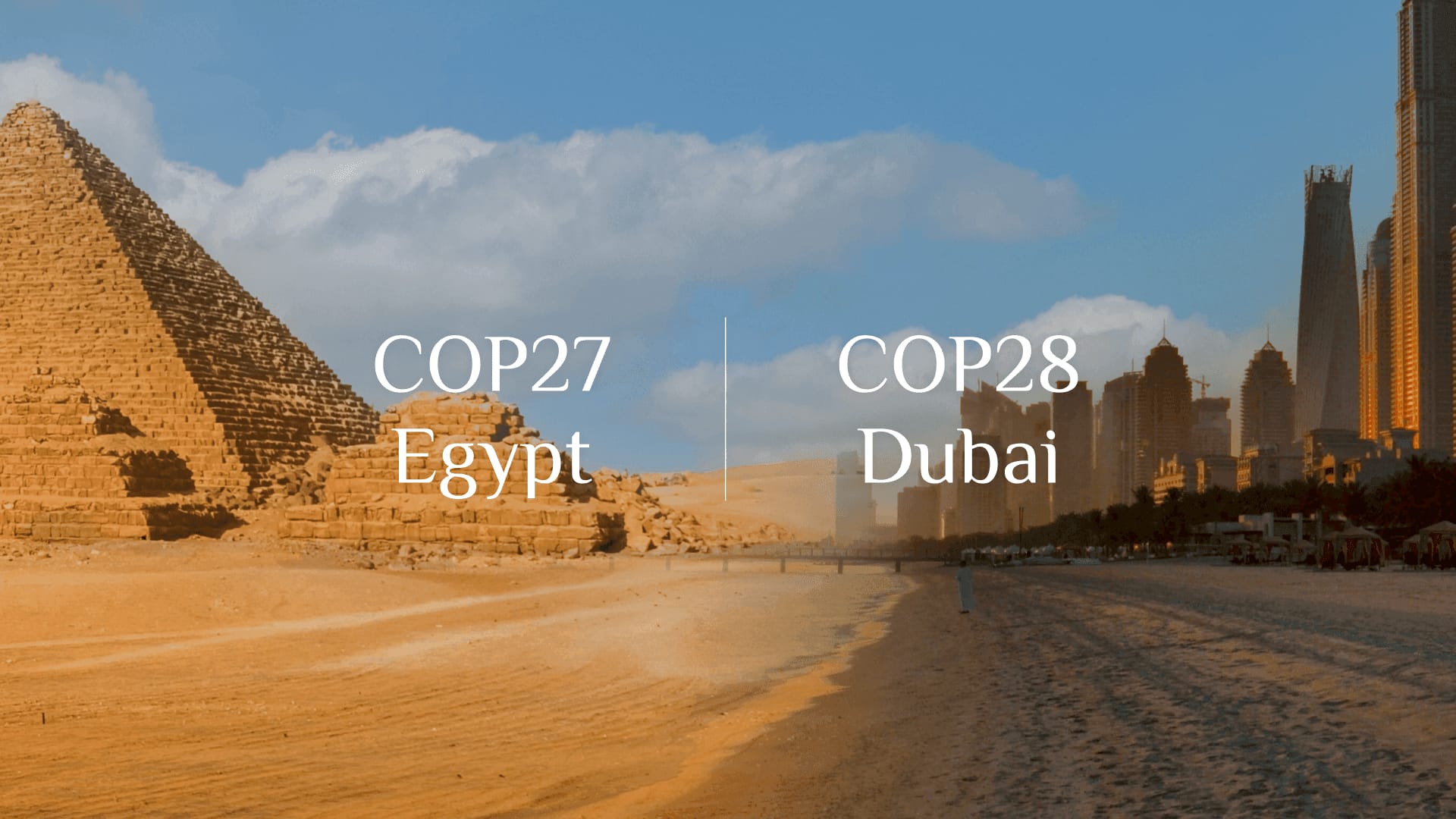
COP27: The practical outcomes and what this means for COP28
COP27 ran past the scheduled 18 November end date. Late‑night negotiations in Sharm el–Sheikh resulted in almost 200 countries striking a deal to establish a fund for climate loss and damage, which will give money to poorer countries that have been affected by climate change without being major contributors to global carbon emissions.
What does this mean in practical terms for the countries that will have to pay and for the countries that will receive the money?
Here are five major developments from COP27:
1. Before payments are made, a transitional committee will be established to make recommendations on how to operationalise the new funding arrangements and manage the fund. The first meeting of the transitional committee is expected to take place before the end of March 2023.
2. The agreement includes arrangements for providing technical assistance to developing countries that are vulnerable to the impact of climate change. This project will be managed by the UNFCCC’s Santiago Network for Loss and Damage, which has been set up to connect vulnerable countries with the assistance they need.
3. The Breakthrough Agenda was announced at COP27, which aims to accelerate decarbonisation in the power, road transport, steel, hydrogen and agriculture sectors. At this stage, details about funding figures and what countries will benefit from the agenda’s programmes are unclear, but projects are slated to include at least 50 large scale net‑zero emission industrial plants, at least 100 hydrogen valleys and cross‑border power grid developments.
4. For developing countries that rely heavily on agriculture, the Breakthrough Agenda has pledged to drive investment in agriculture research and development to address climate change, environmental degradation and food insecurity.
5. Separate from the fund for climate loss and damage, the World Bank announced a Global Shield Financing Facility at COP27. Through this facility, G7 countries aim to help V20 countries access funds for recovery from natural disasters and climate shocks. This comes on top of the World Bank’s Global Risk Financing Facility, which was set up in 2018 and operates in Africa, Asia and Small Island Developing States. This programme has been paired with US$3 billion in World Bank Lending and helped mobilise more than US$1 billion in private sector capital.
The next steps on the road to COP28
With experts saying current policies have set the world on a course towards an annual average temperature rise of 2.7 degrees Celsius, the next 12 months before COP28 opens in Dubai are crucial. At the end of COP27, UN Secretary‑General António Guterres’ message combined optimism with realism.
Guterres said that COP27 had “taken an important step towards justice” and welcomed the establishment of the loss and damage fund and its expected operationalisation in the next year. However, he added, “Clearly, this will not be enough, but it is a much‑needed political signal to rebuild broken trust.”
A critical aspect of the Sharm el‑Sheikh Implementation Plan document is the call for annual investment of at least US$4 trillion in renewable energy between now and 2030 to reach net‑zero goals by 2050. In addition, the plan says that a global transformation to a low‑carbon economy is expected to require an annual investment of at least US$4–6 trillion.
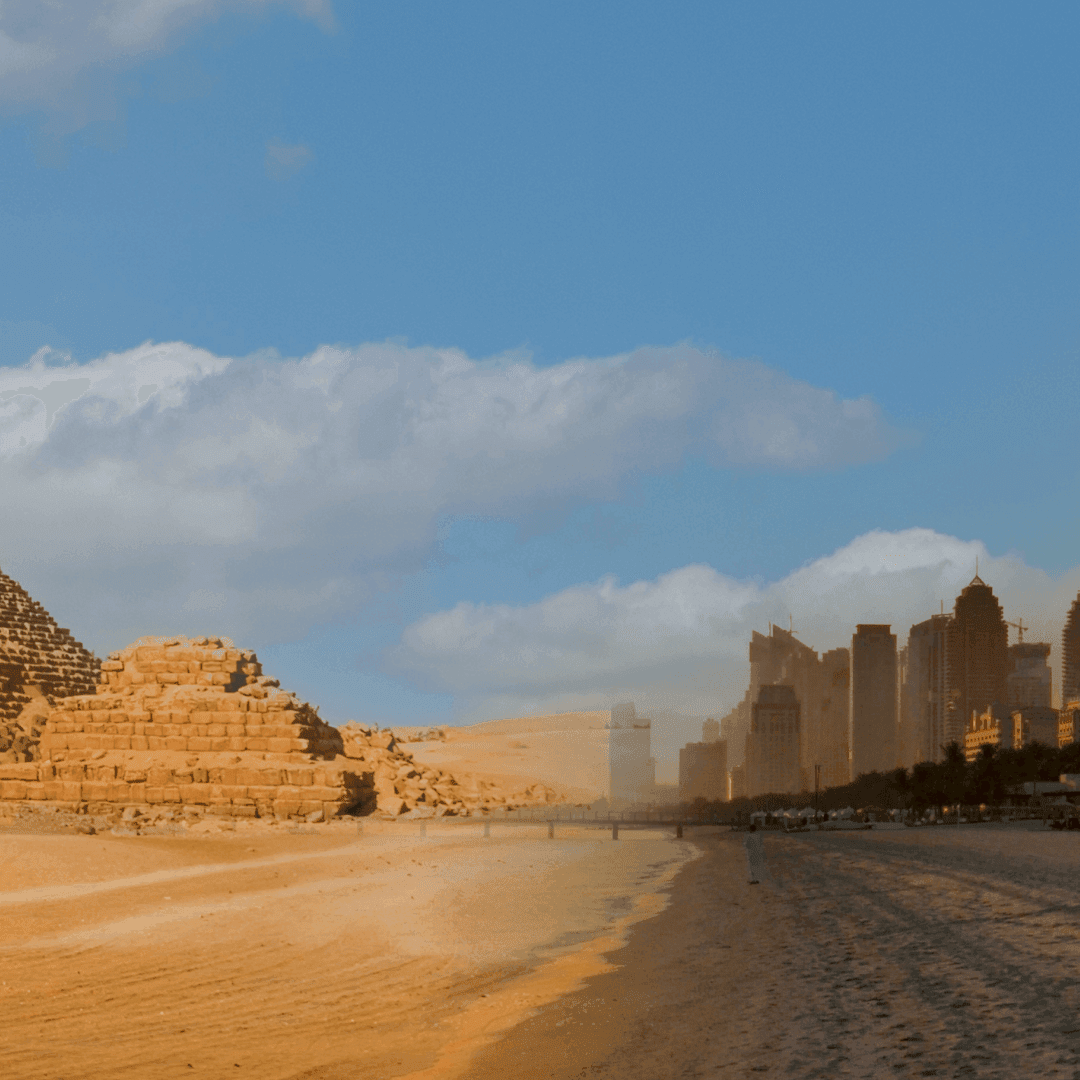
For the Middle East, the impact of COP27 in Sharm el‑Sheikh, followed by COP28 in Dubai could help effect change in decarbonisation in the region. The 2022 PwC Middle East Capital Projects and Infrastructure Survey found that only 11 percent of respondents among a total of more than 100 project sponsors, developers, functional/technical experts, contractors, financiers and asset managers from across the Middle East considered environmental or societal impact to be key metrics for project performance, and only 15 percent cited environmental, social and governance (ESG) factors as a priority investment area for them.
According to PwC, the Middle East is expected to make more progress in the next 12 months as part of a global effort. Researchers “expect attitudes towards decarbonisation” to change in the Middle East in the lead‑up to COP28, especially as environmental priorities are being recognised by more global investors when it comes to private funding access.
On a wider level, UNFCCC Global Stocktake, which assesses progress made since the 2015 Paris Agreement, will continue in 2023. The first stocktake commenced at COP26 in Glasgow last year and will conclude at COP28 in Dubai. It is currently in Phase 2, the technical assessment period, which runs until June 2023. Dialogue will focus on the stocktake’s themes of greenhouse gas mitigation, building resilience to climate change, and implementing and supporting these aims. At COP28, Phase 3 of the stocktake will involve the presentation of key findings from the first global stocktake, followed by discussions to identify opportunities to step up climate action and international support.
Only time will tell if the actions over the coming year in the lead‑up to COP28 will be enough to start to rebuild broken trust, but make a real difference to decarbonising the world.