Biochar Benefits and Applications
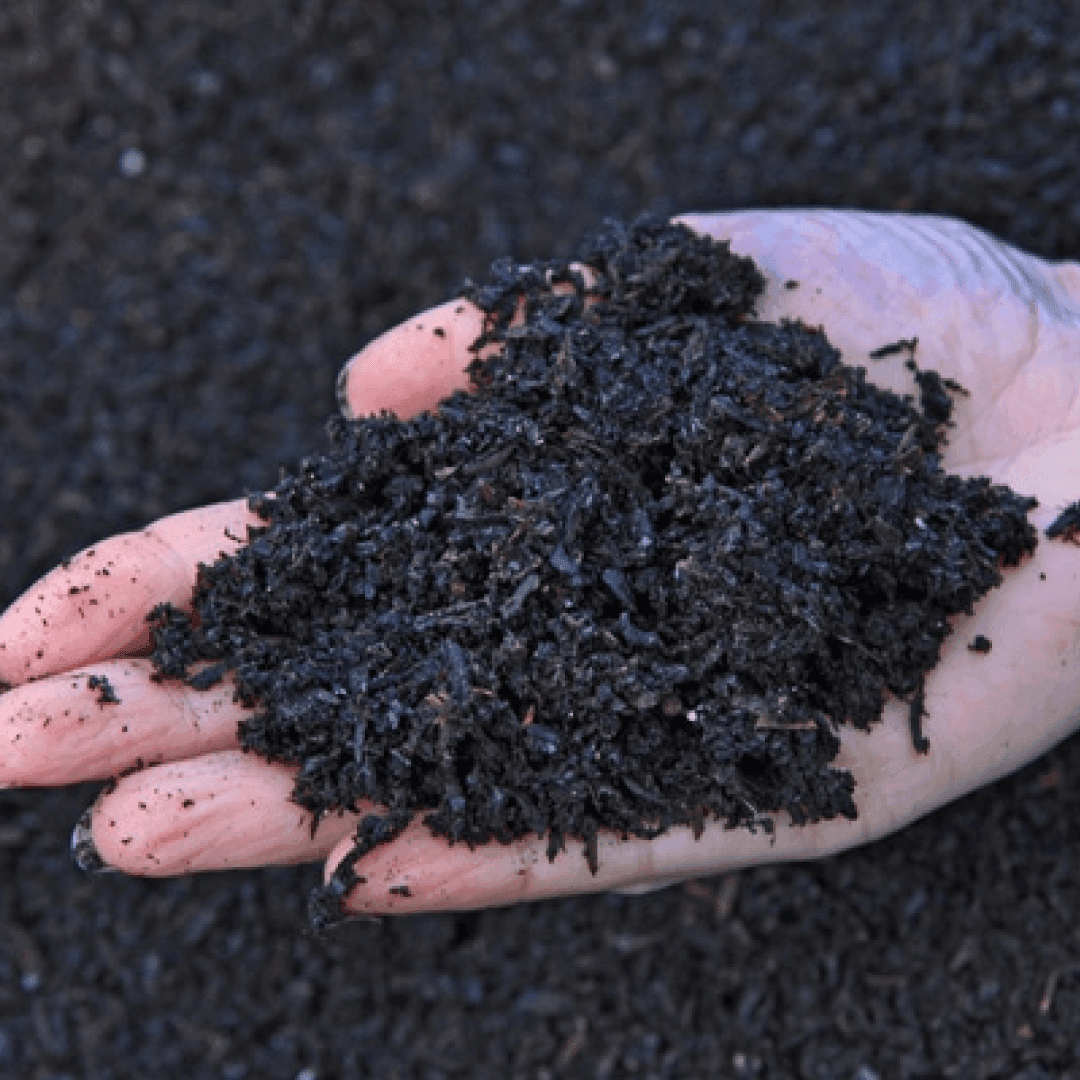
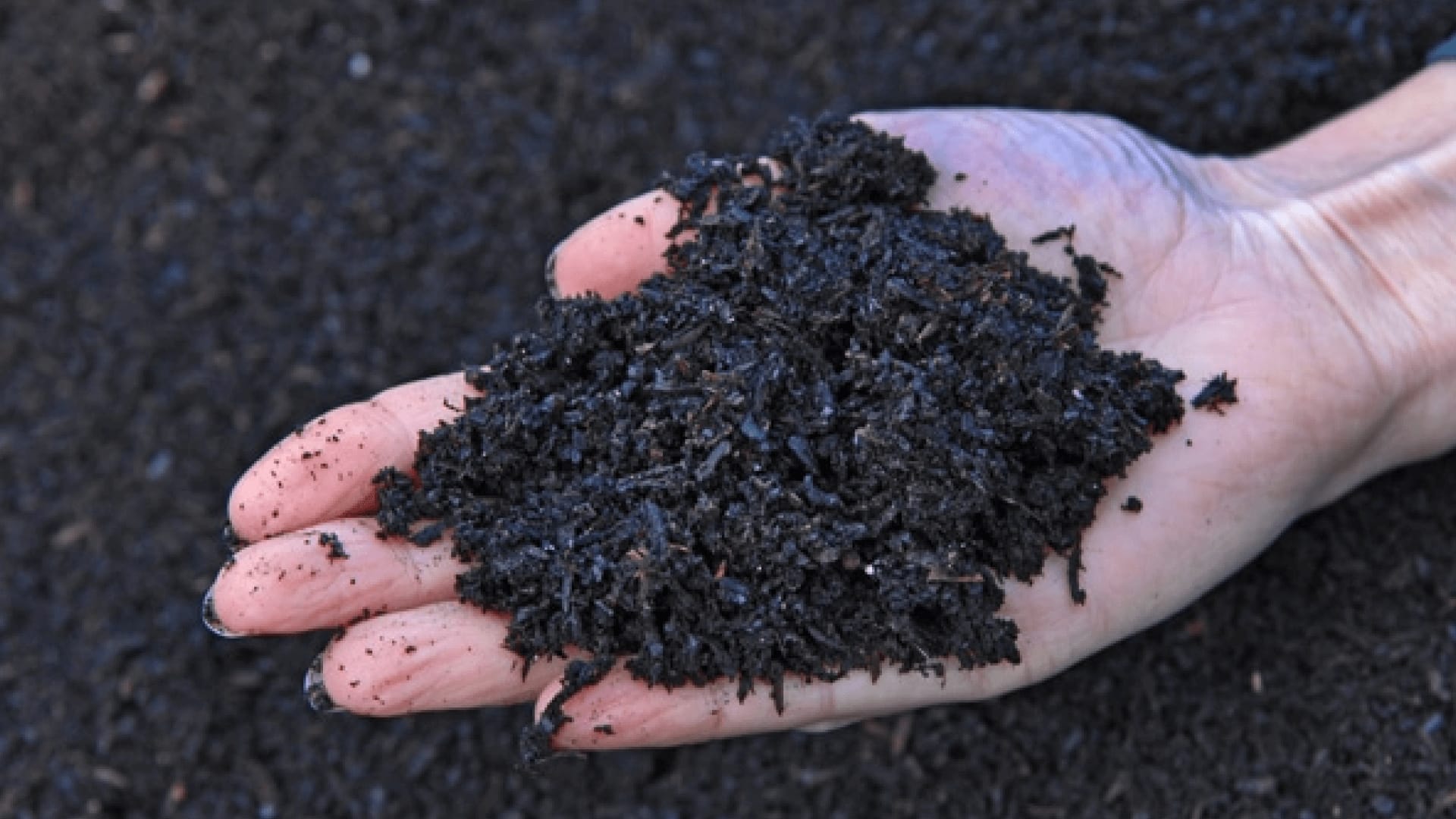
Biochar is a versatile substance that has the potential to play a transformative role in sustainability, waste reduction and decarbonisation. Put simply, #biochar is a type of charcoal that is usually produced from the pyrolysis of biomass. Its wide range of applications make it an exciting and promising technology for promoting circularity and other sustainable practices.
A notable benefit of biochar is its ability to improve soil health. When added to soil, biochar can increase nutrient retention, water retention and soil structure, leading to improved plant growth and crop yields. It can help to reduce the need for chemical fertilisers, which can have a negative impact on the environment. This makes biochar a valuable tool for farmers and gardeners looking to boost land productivity.
Biochar is also an effective means of sequestering carbon. When biochar is produced from the pyrolysis of #biomass, carbon is stored in the biochar in an inert form. This means that the CO₂ and methane that would otherwise be released during decomposition of waste biomass is captured during the pyrolysis process and prevented from reaching the atmosphere (carbon is captured in an inert form in the biochar, and methane is captured in the machine). This makes it an attractive option for offsetting carbon emissions and mitigating climate change. By investing in biochar projects, we can help to reduce greenhouse gas emissions and slow the pace of climate change.
Waste reduction is another important benefit of biochar. By converting biomass into biochar, we can turn a waste product into a valuable resource. This can help to reduce the environmental impact of waste and create new economic opportunities. Biochar production can also become a valuable source of income for communities that have access to biomass, and can help to reduce waste that ends up in landfills.
Whether it’s through improving soil health, sequestering carbon, or reducing waste, biochar is a versatile, powerful tool that can help us to create a better world for our children and future generations.
The numbers add up financially when it comes to investing in biochar projects. Unsurprisingly, there was a 7.7% decline in the global biochar market owing to the Covid‑19 pandemic, according to Fortune Business Insights. But since economies have reopened and the global economic environment has improved, especially in green technologies, the global biochar market is expected to grow from 2021’s US$ 164.5 million figure to US$ 365 million by 2028. This represents a compound annual growth rate of 12.1%.
At Carbonaires, we are excited about the potential of biochar and are committed to supporting projects that generate carbon credits through biochar production. By investing in these projects, we can help to create a more sustainable future while generating revenue for our investors. Biochar is the new black gold and we are confident it will play a critical role in the transition to a more sustainable world.
If you're interested in learning more about biochar projects and create a more sustainable future, please contact us at info@carbonaires.com. Together, we can help to create a better world for ourselves and future generations.