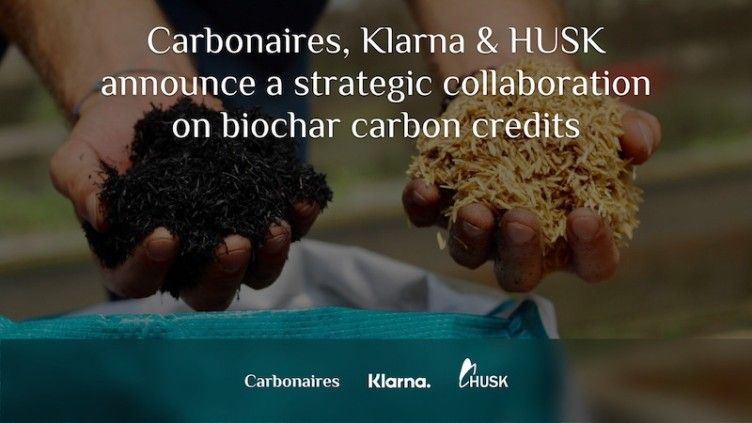
Cambodia Biochar Initiative
Pioneering Biochar Production: Carbonaires, Klarna and HUSK Tackle Climate Change in Cambodia
In this edition of our LinkedIn newsletter, we explore the groundbreaking partnership between Carbonaires, Klarna and HUSK. This collaboration showcases their shared commitment to innovation and excellence while tackling pressing sustainability challenges through cutting‑edge solutions.
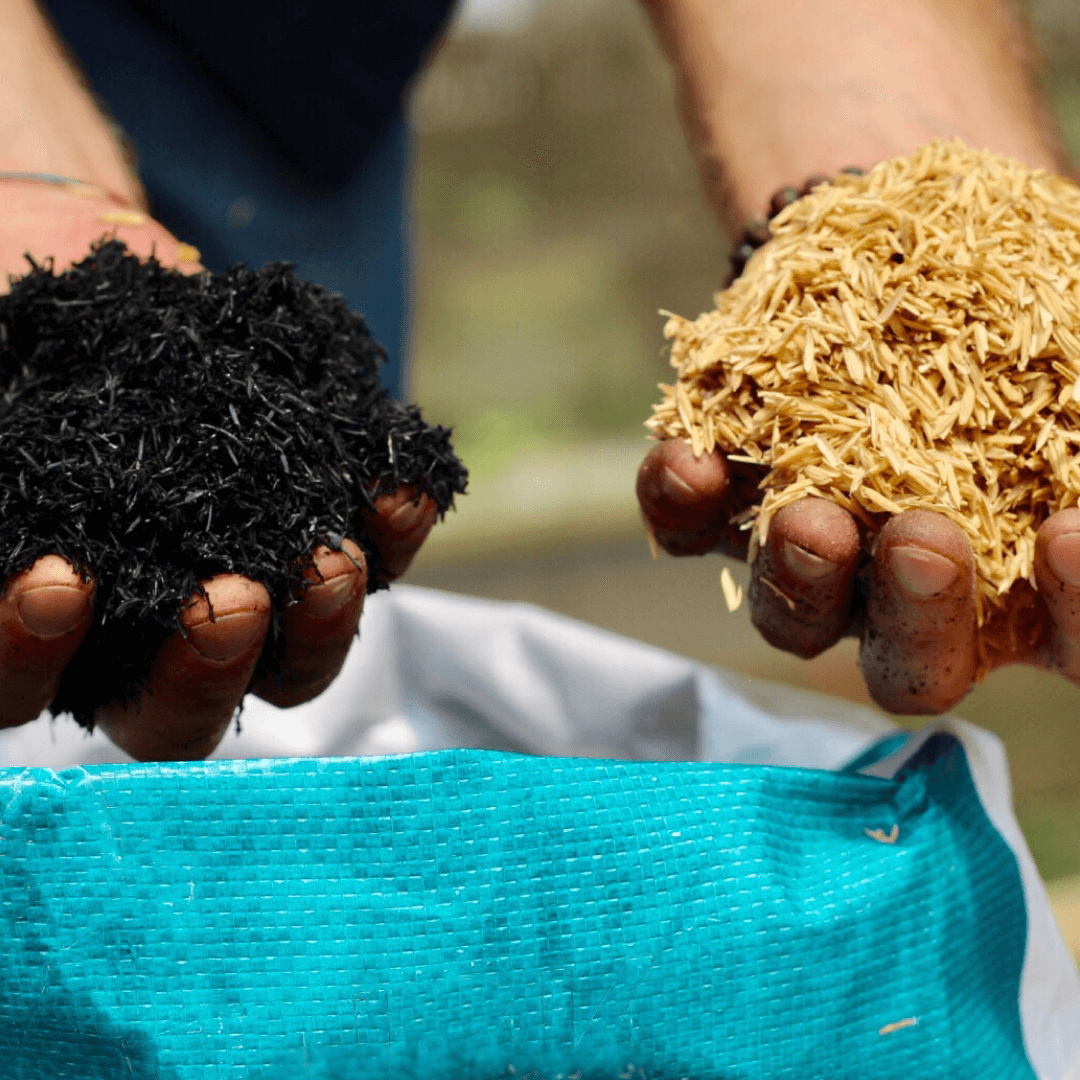
Biochar, a charcoal‑like substance created by heating organic materials in a low‑oxygen environment, has been gaining attention for its potential to improve soil health, boost crop yields and sequester carbon for centuries. By establishing a state‑of‑the‑art biochar production facility in Cambodia, Carbonaires, Klarna and HUSK are collaborating to transform rice husks, a common agricultural waste product in the region, into this valuable resource.
This partnership is particularly noteworthy for its emphasis on leveraging the power of voluntary carbon markets. As an essential driver for transitioning to a greener global economy, these markets provide financial incentives for companies to invest in sustainable solutions. The recent endorsement of guidelines aimed at ensuring the reliability and integrity of carbon credits highlights the growing significance of voluntary carbon markets as a force for change.
By combining expertise in carbon asset management, financial technologies and biochar production, Carbonaires, Klarna and HUSK showcase the potential of collaborative efforts in addressing climate change and fostering a circular economy. This project not only demonstrates the importance of trust and transparency in sustainable business practices but also serves as an inspiration for future endeavours in the fight against climate change.
As we continue to explore innovative solutions and partnerships in the realm of sustainable business, we invite you to join the conversation and share your insights on this exciting initiative. By working together and maintaining a focus on trust and transparency, we can contribute to a more sustainable and resilient future. Stay tuned for more informative articles and discussions in our upcoming newsletters.